Losing the ability to drive is one of the most difficult transitions for seniors and their families. In South Florida, where independence often depends on mobility, knowing when to have a conversation about driving safety is essential — especially if dementia, vision loss, or other health changes are involved. This guide will help you recognize warning signs, approach the conversation with empathy, and explore supportive local solutions that protect both independence and safety.
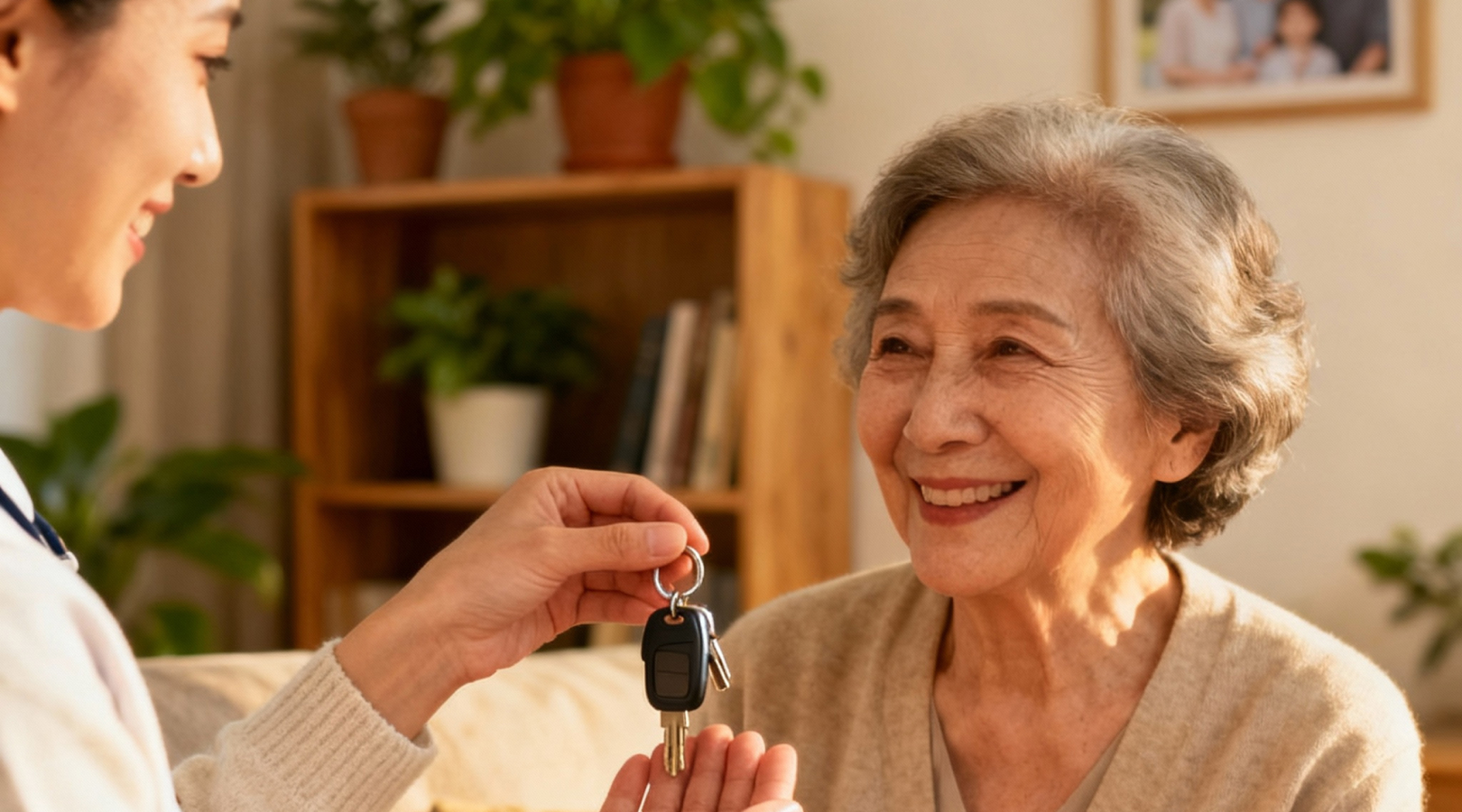
Not every older adult needs to stop driving simply because of age. However, families in Boca Raton, Delray Beach, and throughout Palm Beach County should watch for these common warning signs:
If you notice more than one of these warning signs, it may be time to begin a compassionate conversation about driving safety.

In the early stages of dementia, older adults may struggle with judgment, reaction time, interpreting road signs, or navigating familiar areas. A particularly challenging issue is lack of awareness — known clinically as anosognosia — where the individual does not recognize their own cognitive decline. Because insight may be limited, families often need to intervene before a crisis occurs. If memory loss, confusion, or resistance to feedback increases, consulting dementia care professionals can provide clarity and support. Acting early protects both your loved one and others on the road.
Talking about driving retirement can be emotional. For many seniors, driving represents freedom, identity, and independence. Approach the conversation thoughtfully:
Begin discussions before a serious incident occurs. Revisit the topic gradually rather than making it a one-time confrontation.
Framing the conversation around medical guidance can reduce defensiveness. For example: “Your doctor is concerned about your reaction time.”
Try: “Let’s find ways to keep you active and independent.”
Present solutions such as ride services, companion drivers, caregiver transportation, or family scheduling plans.
Geriatric specialists or occupational therapists can conduct objective driving assessments.
As routines shift, keeping car keys and vehicles out of sight can help ease the transition.
This is not just about driving — it is about dignity. Recognizing that loss helps preserve trust.
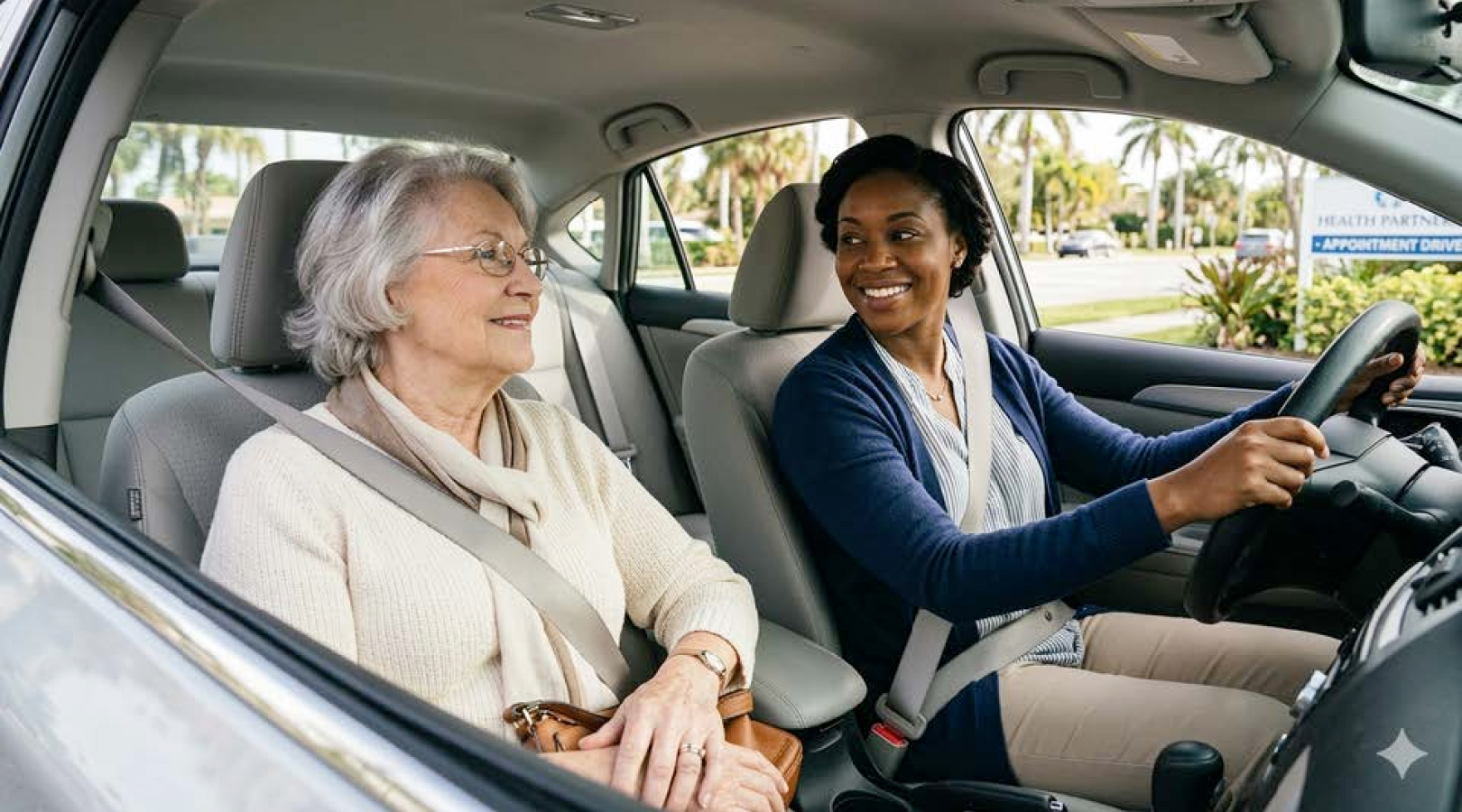
Stopping driving does not have to mean losing freedom. With thoughtful planning, seniors can remain active and socially connected.
Consider these steps:
Planning ahead reduces isolation and restores confidence.
JFS at Home provides highly trained caregivers who offer:
Serving Boca Raton, Boynton Beach, and communities across South Florida, our team helps older adults remain independent, engaged, and fulfilled — without compromising safety.
If you are concerned about a loved one’s driving safety, do not wait for a crisis.
Contact JFS at Home today for a complimentary consultation on personalized home care, dementia support, and safe senior transportation throughout South Florida.
Call (561) 852-HOME (4663) or visit our Contact Page to get started.